Camera response
Keep one lens mounted, use a hood, and change gear inside a bag or car. Make a detail plan: stone, relief, shadow and process rather than a heroic long view that weather has declined to provide.
Weather brief
The stones do not care about your calendar. Your water, camera and walking range do.
The useful answer
November to February is the default recommendation because long walking is easier. That does not make it empty, warm at dawn or automatically flattering for photographs. The working question is which compromise you accept: holiday crowds, wind uncertainty, sharp heat or a later return to good light.
The plateau has almost no mercy for bad timing because shade is intermittent and the route itself is exposed. A comfortable city forecast can still become a hard Giza afternoon. Treat temperature, wind and light as separate variables.
| Period | Walking | Photo implication | Route adjustment |
|---|---|---|---|
| Nov–Feb | Best long walks | Clearer mornings; severe noon contrast | Start early for crowd control |
| Mar–May | Good, variable | Wind may flatten horizon | Hold a flexible photo day |
| Jun–Aug | Opening window only | Haze, glare, black shadows | Hard exit around 10:30 |
| Sep–Oct | Improving, still hot | Warmer late light | Split morning and evening |
November–February
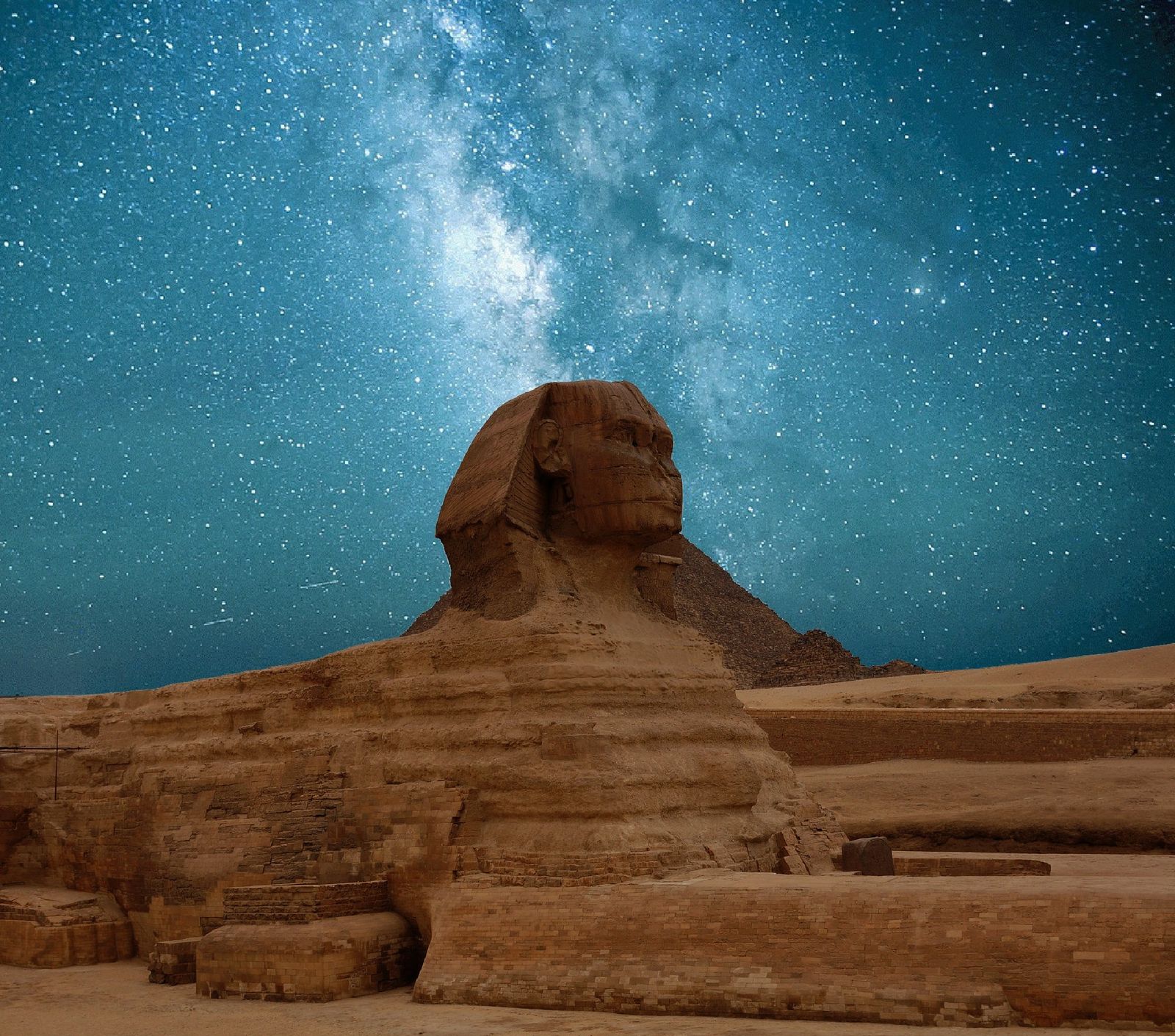
Winter supports the longest Giza loop and the most sane Saqqara–Dahshur day. Bring a light layer for dawn, then expect sunscreen by late morning. Christmas, New Year and school-holiday periods create their own weather: buses, queues and a higher demand for the obvious frame.
Photographically, clear winter air is useful for distant relationships and skyline separation. It is also unforgiving by noon. Shoot broad forms first, use later morning for casing, joints and shaded detail, and do not confuse contrast with drama.
March–May
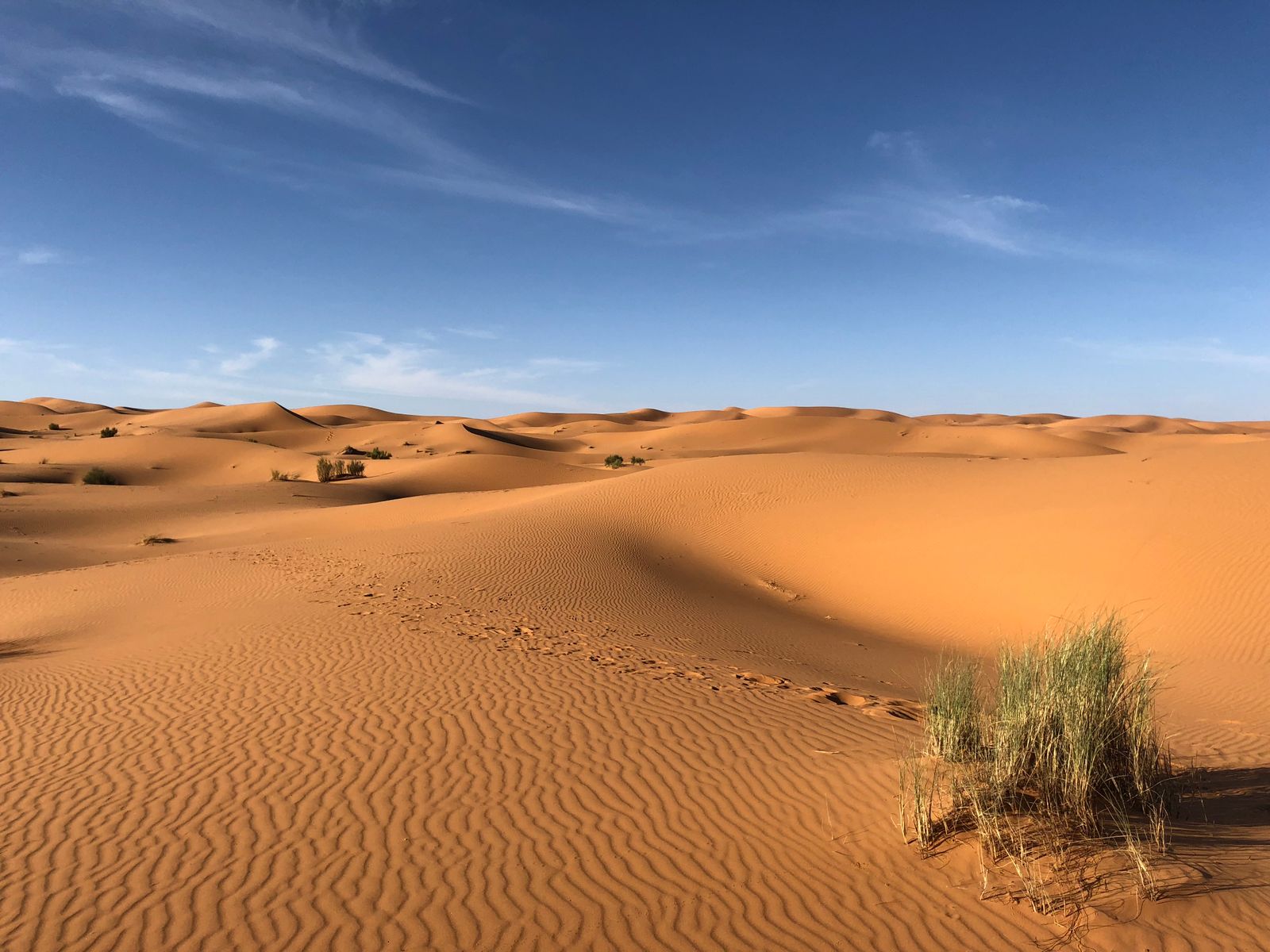
Spring may be the most satisfying compromise when it behaves. The catch is dust and wind. A hazy horizon can erase the spacing between pyramids, and a lens change in an exposed gust is a slow way to buy a hotel-room cleaning project.
Keep one lens mounted, use a hood, and change gear inside a bag or car. Make a detail plan: stone, relief, shadow and process rather than a heroic long view that weather has declined to provide.
Keep one flexible morning. Saqqara’s close geometry can be more rewarding than a washed-out Giza panorama. Do not pay for a private photo arrangement that only works under one perfect sky.
Carry eye protection, water and a light scarf if you find it useful. Wind does not make heat harmless; it merely hides how much water you have lost.
A dusty horizon is not a failed day. It is a request to stop photographing horizons.
June–August
There is no clever itinerary that makes exposed limestone at 13:00 pleasant. Start at opening, carry water that you can finish, choose a hard exit time, and put air conditioning into the plan as infrastructure rather than apology.
Summer light rewards graphic detail, not extensive wide landscapes. Use shade, surfaces, small human scale and short sessions. If headache, dizziness, nausea or poor judgement arrive, end the exposed block. The pyramid will not grade your endurance.
September–October
Autumn is where visitors over-correct. The evening improves first; daytime may still be punishing. It is excellent for a split day—Giza early, rest, then Cairo after 17:00—or a south day with a strict water plan.
Late-afternoon warmth can flatter stone when haze is manageable. Schedule the high viewpoint last so it can disappear from the plan without taking the day with it. Crowds build again as temperatures become attractive, but Dahshur can still feel like a quiet reset.
Long walking, cold dawns, strong holiday demand. Bring a layer; book fixed logistics early.
Usually comfortable, but keep a wind option. Do not make the only photo day rigid.
Start early. Dust and heat become operational, not theoretical.
One outdoor block only. Indoor afternoon is normal, not defeat.
Still summer logic, but better evenings. Keep the hard exit.
Balanced but not cool. Good for planned late light.
Walking returns; calendars get busier. Check opening arrangements near holidays.
Winter gives clean air, spring makes you compose around dust, summer rewards early graphic work, and autumn permits late warmth. The best travel camera plan has one wide relationship, one normal detail plan and one willingness to put the camera away when conditions are simply bad.
Do not bring a season-specific fantasy to a site with active people, rules and changing access. Bring a flexible route and a clean cloth.
Working notes
These are the small decisions that do not look important on a booking page and tend to become important in the sun, at a gate, or when a car is already pointed the wrong way.
Winter dawn can feel cold while the same route becomes bright and dry by late morning, so layers belong in the bag. The useful response is to decide this before the pressure arrives, keep the instruction short, and preserve enough time to change course without turning the group against the day.
A clear sky does not guarantee soft light; winter noon still creates hard shadows under every major edge. The useful response is to decide this before the pressure arrives, keep the instruction short, and preserve enough time to change course without turning the group against the day.
Wind forecasts matter more to wide photography than a vague chance-of-rain icon, especially when distance is your subject. The useful response is to decide this before the pressure arrives, keep the instruction short, and preserve enough time to change course without turning the group against the day.
When dust arrives, abandon the horizon gracefully and work closer: courses, repairs, thresholds and shade. The useful response is to decide this before the pressure arrives, keep the instruction short, and preserve enough time to change course without turning the group against the day.
Summer heat accumulates faster than people admit, so make the car, water and indoor break part of the route. The useful response is to decide this before the pressure arrives, keep the instruction short, and preserve enough time to change course without turning the group against the day.
The late-afternoon idea is only useful when exit timing and traffic leave enough time to use it. The useful response is to decide this before the pressure arrives, keep the instruction short, and preserve enough time to change course without turning the group against the day.
Autumn evenings may feel pleasant while exposed midday remains a poor place for a long walking loop. The useful response is to decide this before the pressure arrives, keep the instruction short, and preserve enough time to change course without turning the group against the day.
Holiday crowd patterns change where you photograph, not what the monument is; use wider context and wait less. The useful response is to decide this before the pressure arrives, keep the instruction short, and preserve enough time to change course without turning the group against the day.
A flexible day is especially valuable for photographers because a bad horizon can become a good detail morning. The useful response is to decide this before the pressure arrives, keep the instruction short, and preserve enough time to change course without turning the group against the day.
Check the day’s wind before deciding whether a lens change belongs outside or inside the vehicle. The useful response is to decide this before the pressure arrives, keep the instruction short, and preserve enough time to change course without turning the group against the day.
Photograph the same subject in two conditions only when the second condition adds something; collecting weather is not a plan. The useful response is to decide this before the pressure arrives, keep the instruction short, and preserve enough time to change course without turning the group against the day.
The forecast changes the route order, not the basic need for water, shoes and an honest exit time. The useful response is to decide this before the pressure arrives, keep the instruction short, and preserve enough time to change course without turning the group against the day.
Working notes
These are the small decisions that do not look important on a booking page and tend to become important in the sun, at a gate, or when a car is already pointed the wrong way.
If a dust day is forecast, move the wide landscape expectation to another morning and protect the rest of the itinerary. The useful response is to decide this before the pressure arrives, keep the instruction short, and preserve enough time to change course without turning the group against the day.
A cooler month still needs a noon plan; temperature improves comfort, but the architecture of shadows remains the same. The useful response is to decide this before the pressure arrives, keep the instruction short, and preserve enough time to change course without turning the group against the day.
When a forecast changes overnight, change the route order before you leave the hotel rather than pretending the original plan is sacred. The useful response is to decide this before the pressure arrives, keep the instruction short, and preserve enough time to change course without turning the group against the day.
A season is useful only when it changes a concrete decision: departure hour, water load, lens choice, route order or exit time. The useful response is to decide this before the pressure arrives, keep the instruction short, and preserve enough time to change course without turning the group against the day.